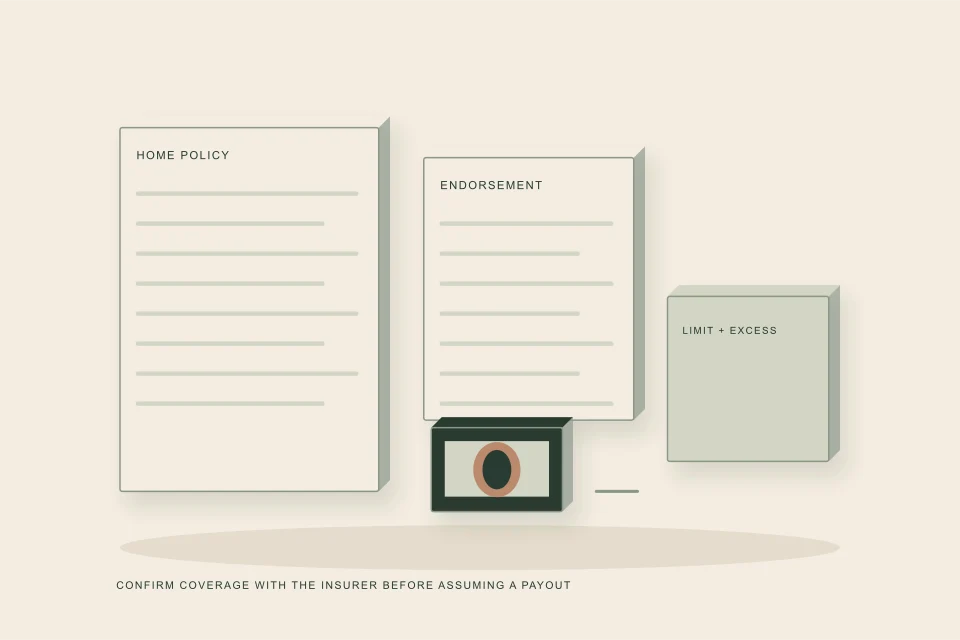
In Canada, damage from a sewer backup is covered only if your policy includes optional sewer backup coverage, often sold as an endorsement. The Insurance Bureau of Canada says basement water damage from a sewer backup is only covered if you bought that coverage. Overland flooding and groundwater seepage are separate, and repairing the broken pipe itself is usually a different question again.
- Sewer backup, overland water and groundwater seepage are three different coverages; one does not include the others.
- Check your limit and deductible for sewer backup specifically; they can differ from the rest of the policy.
- Condo owners have two policies involved: the corporation's and their own unit policy.
- Coverage for damage caused by a backup is not the same as coverage for repairing the sewer pipe that caused it.
01 /Is sewer backup covered by home insurance in Canada?
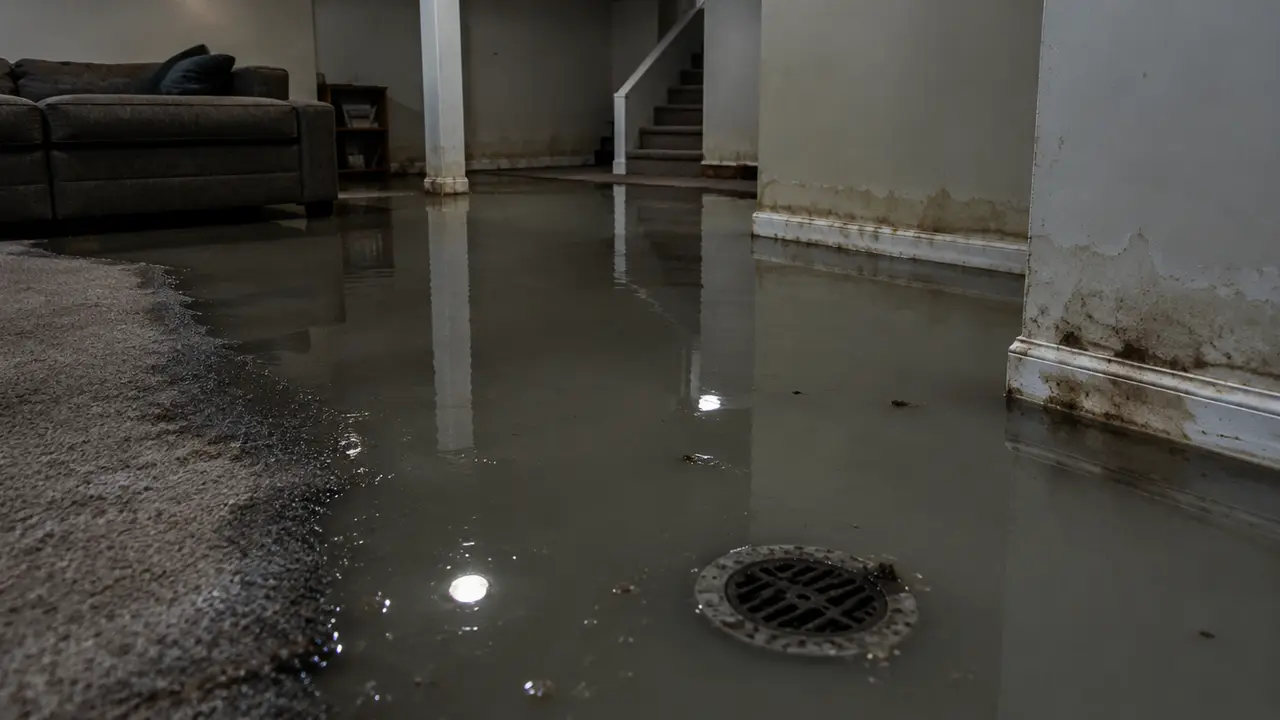
Only if you added it. Standard Canadian home policies do not automatically cover water that comes up through your drains from a sewer backup. The Insurance Bureau of Canada describes sewer backup coverage as covering the replacement and decontamination of personal contents after the backing up of sewers and drains or a sump pump failure, and lists it among optional add-ons. Read your policy wording or call your broker to confirm what you have.
Two things are worth knowing before you need it. First, some insurers only offer the coverage where certain conditions are met, and some ask about backwater valves or past claims. Second, the limit for sewer backup is often set separately from the building limit, so a policy can include the coverage but cap it below what a finished basement costs to rebuild.
02 /Is a sewer backup the same as a flood for insurance?
No. Insurers treat water by how it got in. Sewage or water that rises through a floor drain, toilet or shower is a sewer backup. Water that flows over the ground and in through windows, doors or walls from heavy rain, snowmelt or an overflowing lake or river is overland water or flood. Groundwater seeping through the foundation or floor is a third category, and the IBC notes it is typically not standard coverage.
| How the water got in | Coverage to look for | Standard? |
|---|---|---|
| Up through a floor drain, toilet or shower | Sewer backup | Optional |
| Over the ground through windows, doors or walls | Overland water or flood | Optional |
| Through the foundation or floor from saturated soil | Groundwater or seepage | Typically not standard; some insurers offer it as an endorsement |
| From a burst pipe or appliance inside the house | Sudden and accidental water damage | Usually part of a comprehensive policy; check wording |
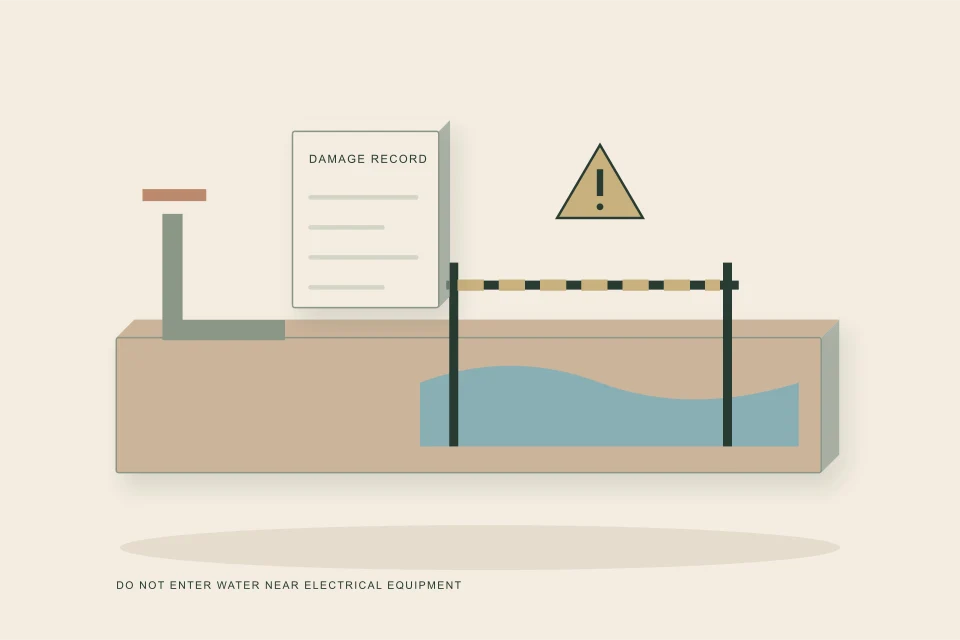
A heavy storm can cause more than one kind at once. Photograph where the water entered before cleanup begins, because the adjuster will want to know. Backups in the rain explains why storms fill sanitary sewers.
03 /Does insurance pay to fix the sewer line?
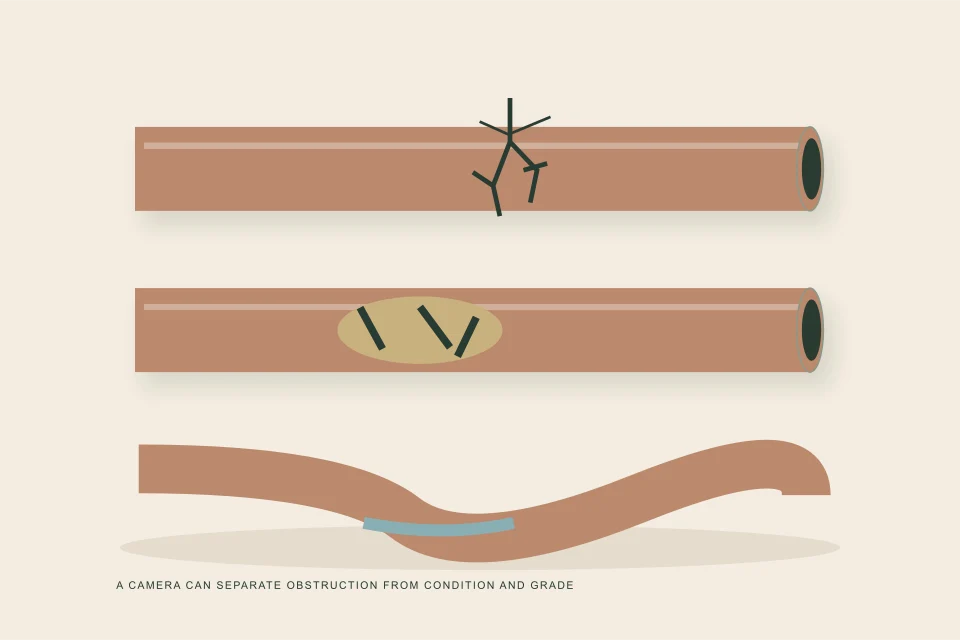
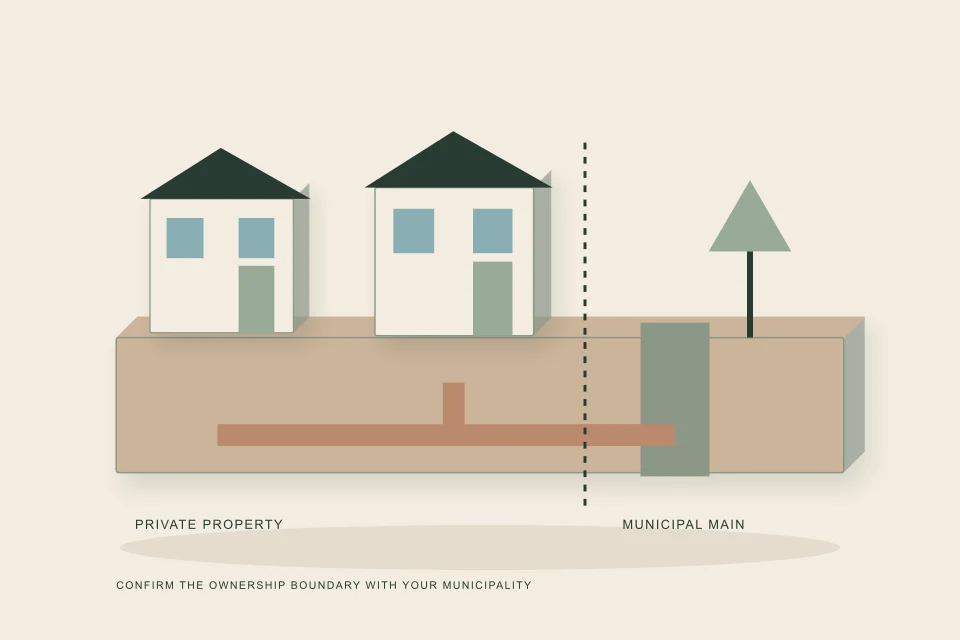
Usually not under the sewer backup coverage itself. That coverage deals with the damage the water caused inside the home. The pipe that failed is a separate matter: policies commonly exclude wear, tear, deterioration and tree roots, which describe most sewer line failures. Some insurers sell optional service line coverage for buried lines on your property; ask whether you have it and what it excludes.
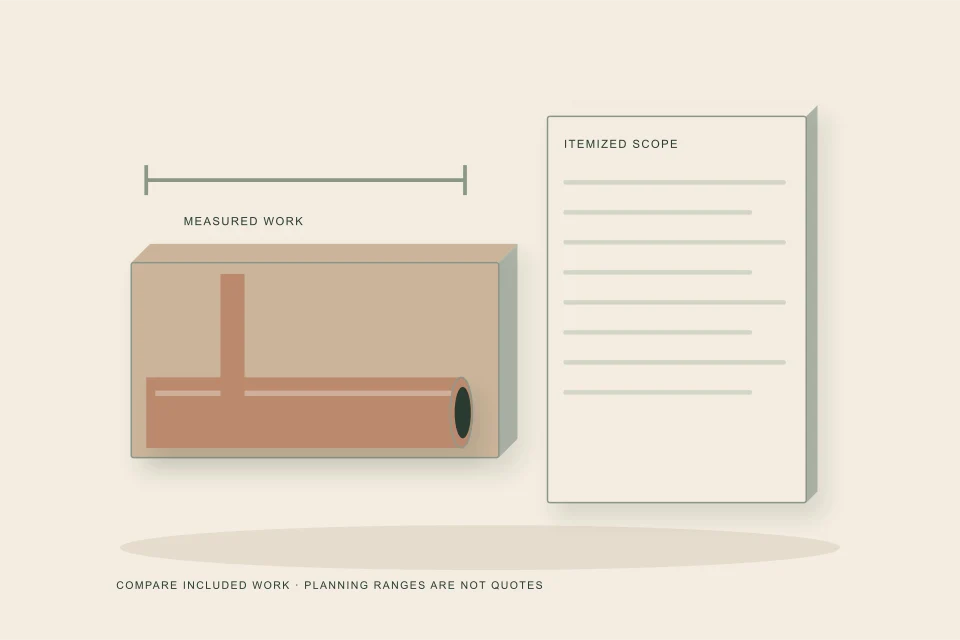
Expect to pay for the clearing, the camera inspection and any repair yourself unless your policy clearly says otherwise, and budget accordingly. Planning ranges for each step are on the cost answers page, and your repair options explains which repair suits which defect.
04 /Does a condo or tenant policy cover sewer backup?
It depends on the policy and on who owns what. In a condo, the corporation's policy covers the building and common elements, and your unit policy covers your contents, your improvements and often your share of the corporation's deductible. Sewer backup coverage has to be on the right policy for the right part. A tenant policy covers the tenant's belongings and, where included, sewer backup damage to them; the building is the landlord's.
- Condo owners: ask the property manager what the corporation's policy covers and its deductible, then match your unit policy to it.
- Tenants: your landlord's policy does not cover your belongings. Ask your insurer whether your tenant policy includes sewer backup.
- Landlords: rental dwelling policies differ from owner-occupied ones; confirm sewer backup coverage for the rented unit.
- Everyone: the Insurance Bureau of Canada says standard homeowner, condo and tenant policies cover alternate accommodation and living expenses when the home becomes unliveable; confirm how that applies to your claim.
05 /Can I claim from the city if the main caused the backup?
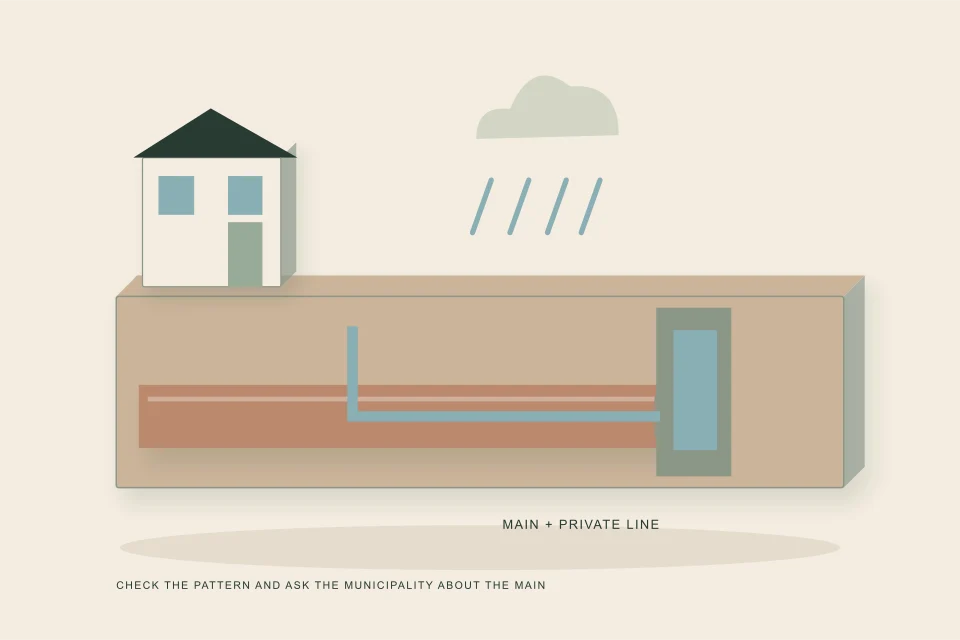
Sometimes, but do not count on it. Municipalities have claims processes, and some have short deadlines for notice. Whether a city pays usually depends on whether it was negligent, not simply on whether its main was involved, and many municipal utilities say plainly that they do not reimburse private plumbing costs. EPCOR in Edmonton, for example, states that it will not reimburse plumber's fees wherever the blockage is.
- Report the backup to the municipality
As soon as it happens, with date, time and whether neighbours were affected. Ask for a reference number.
- Ask about the claims process
How to submit, what evidence they need, and the notice deadline.
- Keep the contractor's findings
An invoice stating where the blockage was, and the camera video, are your evidence.
- Claim on your own policy too
Do not wait for the city. Your insurer can pursue the municipality if it pays you and believes the city is at fault.
06 /What reduces the chance of a sewer backup claim being a problem?
Evidence that you maintained the house and acted quickly. Insurers look at whether damage was sudden or the result of neglect, and at whether you did what you reasonably could to limit it. A claim is easier when you can show the drains were used normally, the problem was reported promptly, and the water was dealt with fast.
- Keep maintenance records
Invoices for past clearing, camera videos and any repairs show the line was looked after.
- Act on warnings
Gurgling floor drains and repeat clogs are early signs. Having them checked before a backup is cheaper than any deductible.
- Limit the damage
Stop water use, move what you can, and start drying once it is safe; insurers generally expect reasonable steps to prevent further damage.
- Tell the insurer before big decisions
Ask before discarding expensive items or hiring your own restoration company.
- Keep the cause on paper
An invoice that states where and why the line was blocked answers the adjuster's first question.
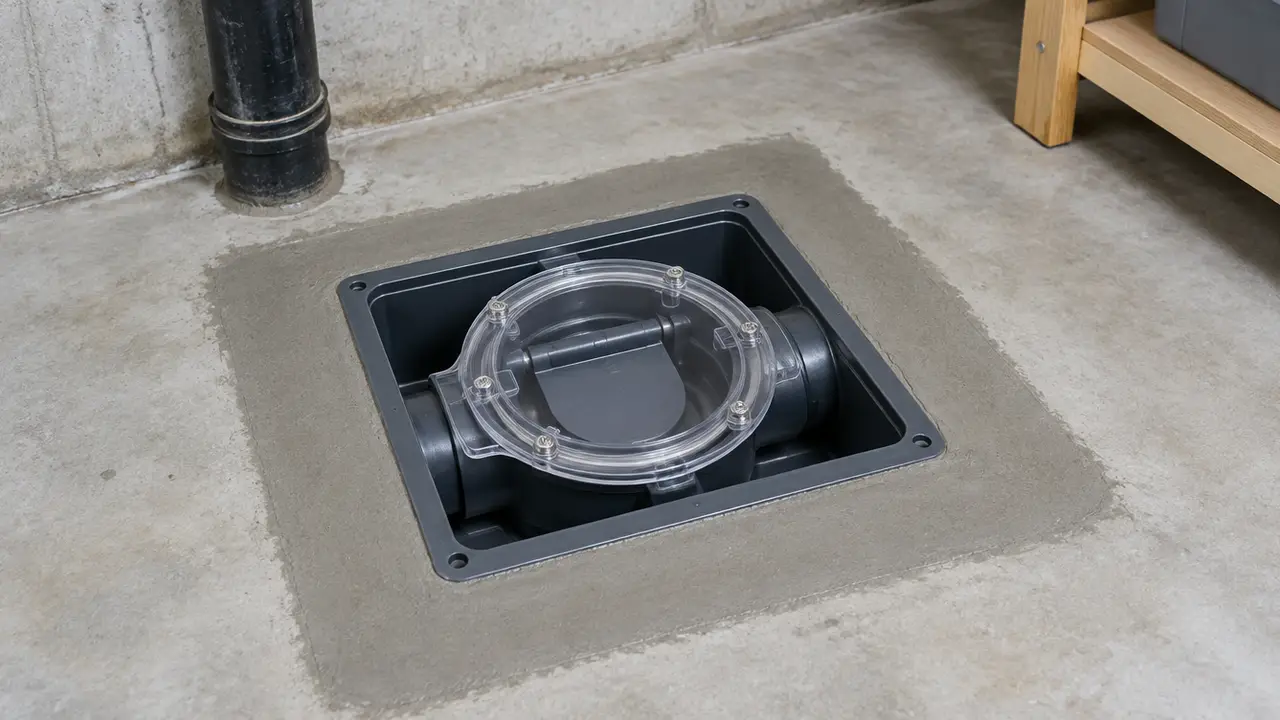
A backwater valve and separated foundation drainage also matter at renewal, because they lower the chance of the next claim. The preventive side is covered in why sewers back up.
07 /How do I make a sewer backup claim go smoothly?
Call your insurer or broker early, document before cleanup, and do not throw anything away until the adjuster agrees. Keep every receipt for clearing, cleanup, drying, temporary accommodation and replacement items. Ask the insurer whether they want their own restoration company, and get the claim number before work starts.
Most of the paperwork a claim needs, including the photo list, is in what to do when the sewer backs up. After the claim, prevention is what keeps your premium and eligibility in good shape: a backwater valve, separated foundation drainage and repairs to any defect the camera found. Regional programs that help pay for valves are on the across Canada page, and you can ask the desk about getting quotes for them.
FAQQuestions people ask
Is sewer backup insurance worth it?
If your house has a basement with drains, and especially a finished one, it is worth pricing. Compare the premium with what it would cost to clean up and rebuild the basement yourself.
Does sewer backup coverage have a separate deductible?
It can. Some policies set a different deductible or a separate limit for sewer backup. Check the declarations page or ask your broker.
Does sewer backup coverage include a sump pump failure?
The Insurance Bureau of Canada describes sewer backup coverage as including sump pump failure, but wording varies. Confirm it on your own policy.
Will a backwater valve lower my home insurance?
Ask your broker. Some insurers consider protective devices when setting eligibility or premiums for sewer backup coverage, and some cities subsidise valves.
Will one sewer backup claim affect my future coverage?
It can affect your premium, deductible or eligibility for sewer backup coverage at renewal. Ask your broker, and show what you did to prevent a repeat, such as a valve or a repair.
Is a sewer backup covered under renters insurance?
Only if the tenant policy includes sewer backup coverage for your belongings. The building itself is the landlord's responsibility.
NETWORKGo deeper across the HAUSE Sewer network
Sewer backup insurance in Canada: coverage, deductibles, condos and claims
Sewer backup insurance in Canada explained: what the endorsement covers, deductibles and limits, flood vs backup, condos, septic, and whether it is worth it.
SewerQuotes.comSewer backup insurance: what your home policy does and does not pay
Sewer backup insurance in Canada: sewer backup vs overland water endorsements, exclusions, deductibles, and why pipe repair is rarely covered.
SewerRoots.caDoes home insurance cover tree roots in a sewer line?
Does home insurance cover tree roots in a sewer line in Canada? Why root cutting and pipe repair are usually excluded, and what backup endorsements pay.