Sewer questions, answered first.
Dozens of real homeowner questions about smells, backups, slow drains, bills, insurance and contractors, each answered in a few sentences before the detail, with sources and no sales pitch.
SewerExperts.ca answers the sewer questions Canadian homeowners actually type: why the house smells, why the basement drain backed up, whether a clog is in the main line, who pays, what insurance covers and how to check a contractor. Every answer comes first in plain words, then the reasoning, the evidence to gather and the next step.
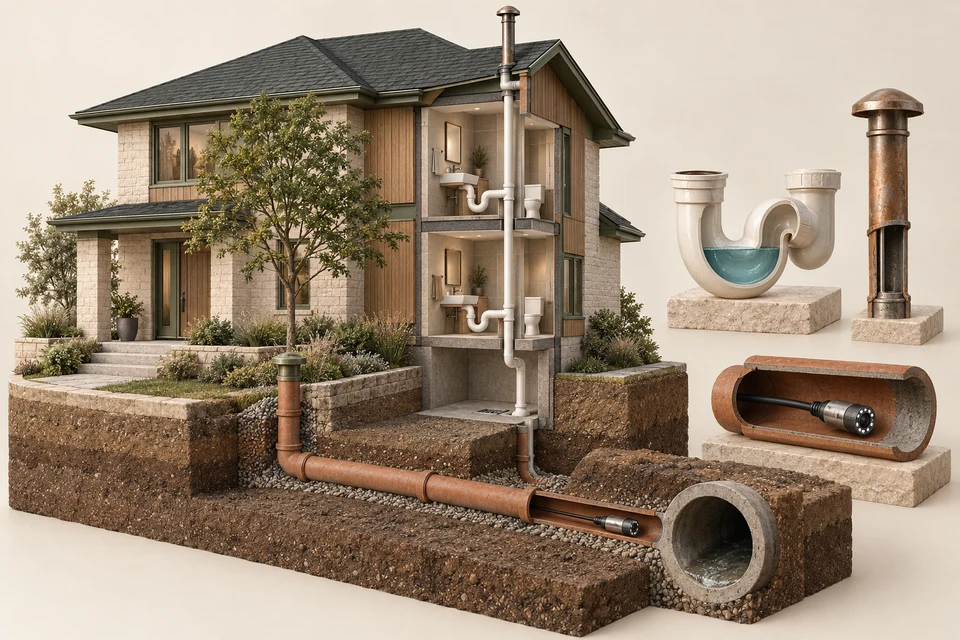
Pick a symptom and watch where it comes from inside the house
A house in section, from the roof vent to the city main. Choose what you are noticing, where, and when it happens, add what you know about the house, then press Run to watch the scenario play out while the panel gives the triage answer.
What the model shows, in words
The panel uses the Symptom Triage rules
Every setting feeds the same editorial rules as the Sewer Symptom Triage: danger first, then water rising now, then how many drains are affected and when. The badge shows the urgency, the next line names the part of the system most likely at fault, and the list ranks likely causes. Nothing in the model measures your house; it shows how the rules reason from the pattern you describe.
A dry trap lets the sewer into the room
Pick a smell with a rarely used drain ticked and run it. The water plug in the floor-drain trap shrinks over simulated weeks until there is nothing left to block the air in the pipe, and a red trail rises into the basement. A jug of water poured down the drain restores the seal, which is why that is the first check in why a house smells like sewer.
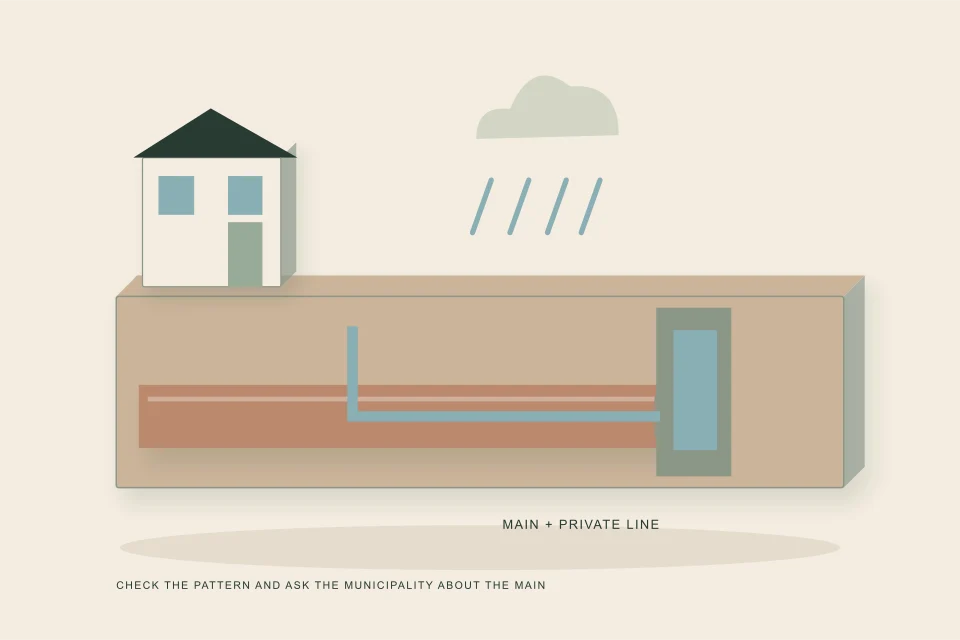
Rain can fill the main from outside the house
Choose a backup after heavy rain. Rain falls on the street, the main fills, and wastewater climbs the lateral toward the house until it reaches the lowest opening. Tick the backwater valve and the flap swings shut before the water reaches the floor drain. The mechanism is explained in sewer backups when it rains. The depths drawn are illustrative, not measured.
Roots narrow the line a little at a time
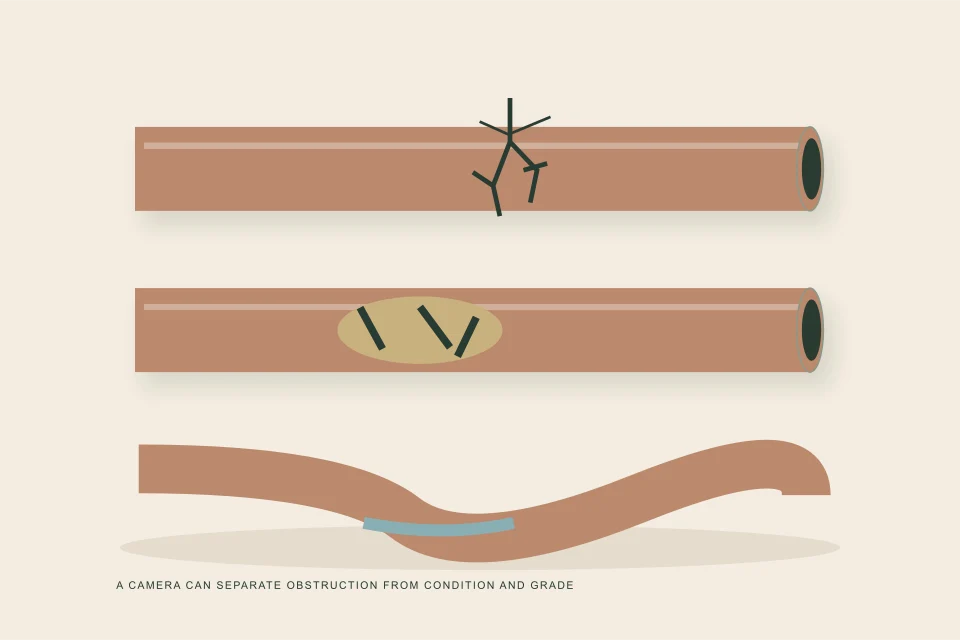
Slow drains in an older house with trees near the line play out as roots creeping through a joint in the lateral. Flow thins, water stacks up behind the mass, and the lowest drain is the first to show it. The model cannot see your pipe; only a recorded camera run can, which is why the panel asks for one whenever the main line is implicated.
Gurgling is air being pushed around
Choose gurgling when the washer drains. A pulse of water rushes down the stack, meets a restriction, and shoves air back through the nearest trap, so bubbles rise in the toilet bowl. When only one fixture gurgles, the model points at its vent instead. The pattern is set out in why drains gurgle.
What is your sewer question?
Pick the closest match. Each path goes to the guide that answers it in full.
Sewer Symptom Triage
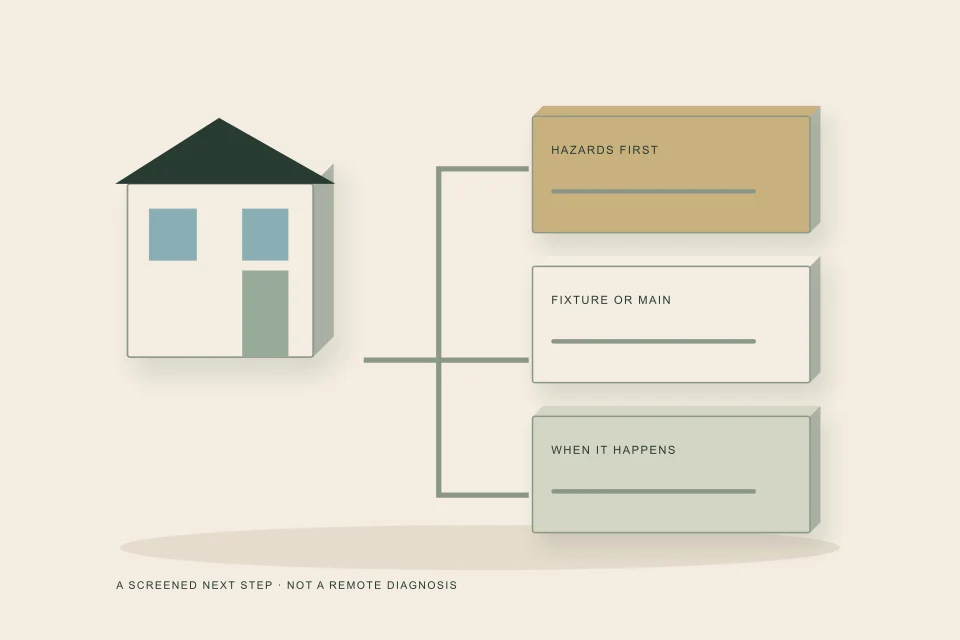
The Sewer Symptom Triage takes three answers (what you notice, where, and when) plus up to ten facts about the house, and returns an urgency level, the part of the drain system most likely at fault, up to four likely causes in order, safe checks you can make, and who to call. Danger rules always run first. It applies published editorial rules; it does not diagnose your pipe.
How the Sewer Symptom Triage works →
Also freeSewer Contractor Vetting Checklist
Vet a sewer contractor before you sign: pick your province and job, tick what you have, and get missing checks as questions, red flags and where to verify.
Sewer Symptom Triage
Read these first
Is sewer gas dangerous?
What is in it, which symptoms matter, and when a smell means leave the house instead of opening a window.
CornerstoneSewer backup: the first hour
What to do, what not to touch, who to call first, and the evidence your insurer will ask for.
CornerstoneWhy is my sewer bill so high?
How Canadian cities turn a water meter reading into a sewer charge, and the leaks that inflate it.
CornerstoneSewer problems across Canada
Who owns which part of the line, locate services, trade rules and backwater valve programs, province by province.
What it looks like down there
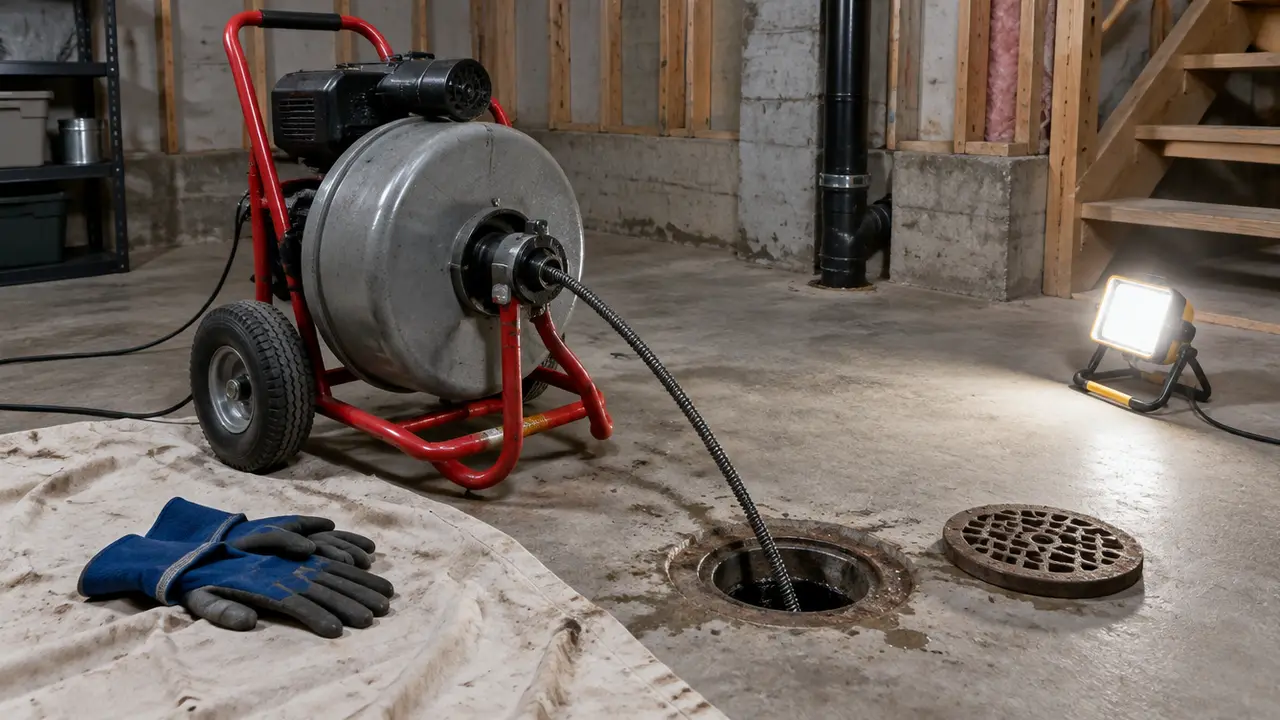
Illustrations of what this work involves and what a camera or a trained eye picks up. Every guide on SewerExperts.ca carries more like these.
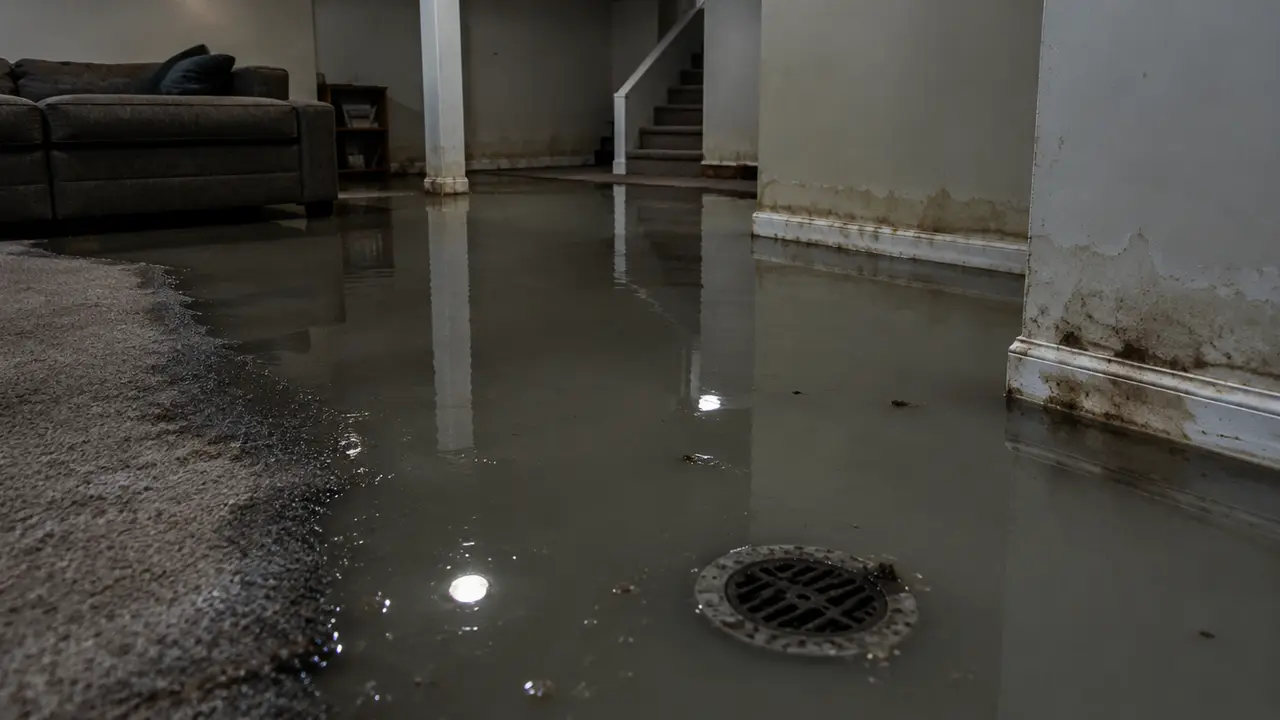
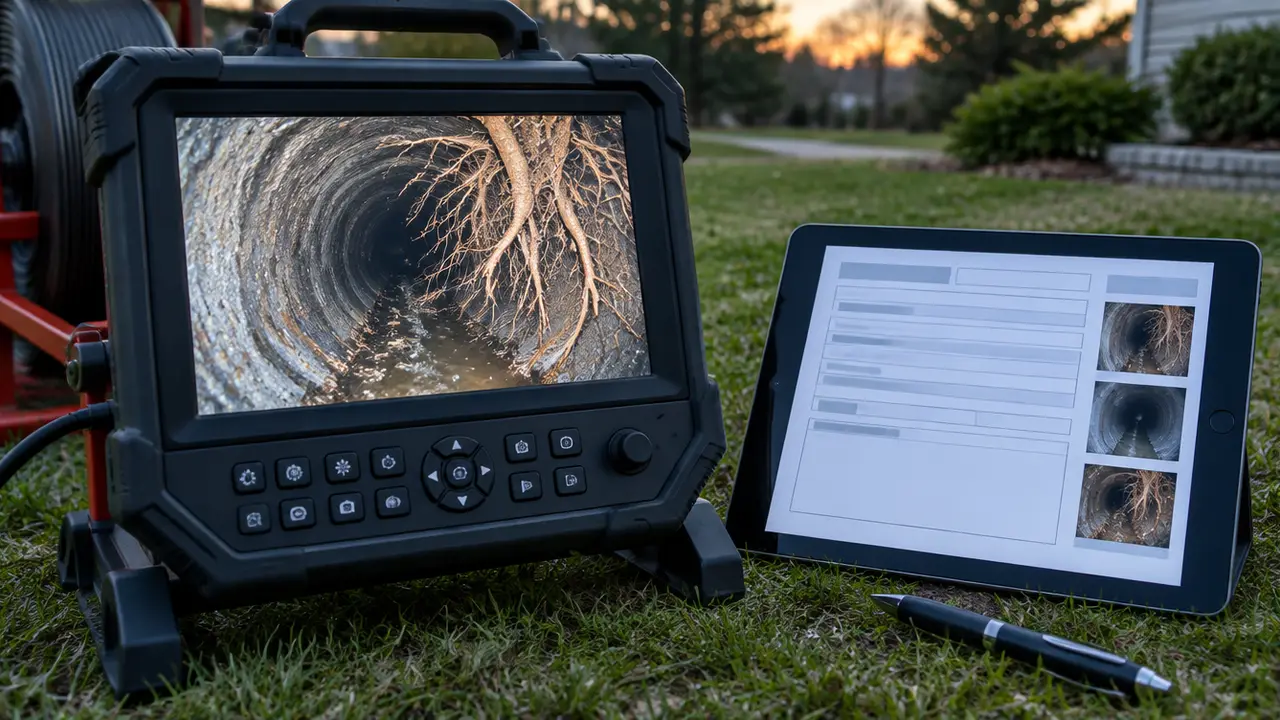
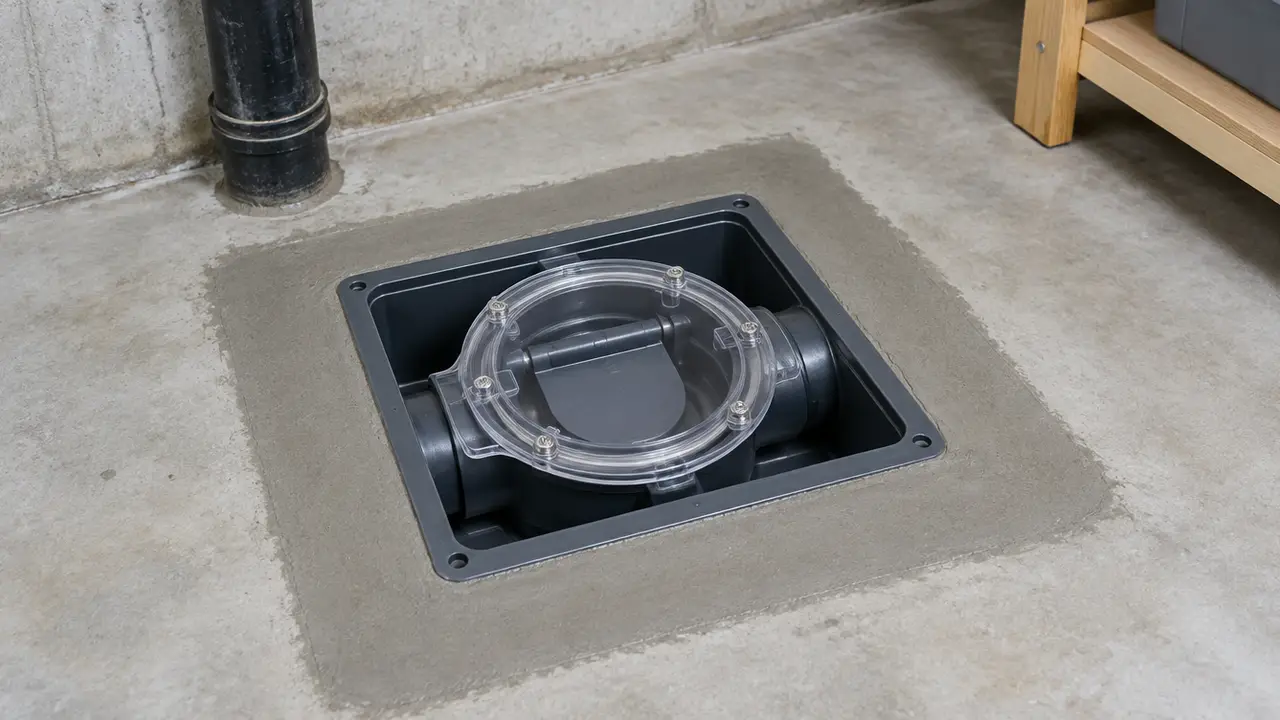
01 /How are the answers on SewerExperts.ca written?
Each page opens with the short answer, the version you could read aloud to someone standing in a wet basement. The detail follows: the mechanism, the checks you can make yourself, the point at which a professional is worth paying, and the paperwork that protects you. Questions are taken from what Canadians actually type into search boxes, so the headings read like questions because they are.
Answers lean on public sources: municipal utility pages, provincial trade registers, Health Canada, the Canadian Centre for Occupational Health and Safety, the Insurance Bureau of Canada and the National Research Council's codes. Where a rule differs from city to city, the page says so and tells you who to ask, instead of pretending one city's policy applies everywhere. Program amounts and fees are dated to the month they were checked.
SewerExperts.ca is part of the HAUSE Sewer network, an independent information and quote-request service. HAUSE does not dig, clean, line or inspect pipes, and nothing here is a sales pitch for a method. When a question belongs to one method in depth, the answer links to the sister site that covers it.
02 /Which sewer questions do homeowners ask most?
Smells and backups dominate. Next come the "is it the main line?" questions, then money: insurance, bills and repair prices. The table pairs the most common questions with the one-line answer and the page that explains it.
| Question | Short answer | Read |
|---|---|---|
| Why does my house smell like sewer? | Usually a trap that has lost its water, a toilet seal or a loose cap, not a broken sewer. | Smell guide |
| Can sewer smell make you sick? | Low levels irritate; strong or sudden odour with symptoms means get out and ventilate. | Sewer gas guide |
| Why does my sewer back up? | Something blocks your line, or the city main is full and pushes back. | Backup causes |
| Why only when it rains? | Rain and groundwater get into the sanitary system and fill the main. | Rain backups |
| Is sewer backup covered? | Only with optional sewer backup coverage on your policy. | Insurance guide |
| Why is my sewer bill higher than water? | Many cities bill wastewater on your water use at a higher rate, plus fixed charges. | Bill guide |
The same answers sit in full on the smell guide, is sewer gas dangerous, why sewers back up, backups in the rain, what insurance covers and why the sewer bill jumps. Shorter questions are collected on the FAQ page, and the terms used across the site are defined in the glossary.
03 /How do I tell a small drain problem from a sewer problem?
Count the drains. One slow sink with everything else fine is almost always that sink's trap or branch. Two fixtures in the same bathroom point to the branch drain or its vent. When the basement floor drain, the lowest toilet or the lowest shower misbehaves, or when running the washer makes another fixture bubble, the problem is further down, in the main building drain or the lateral to the street.
- One fixture, everything else normal: clean that trap before calling anyone.
- Several fixtures, or the lowest drain first: stop using water and plan to have the main cleared and filmed.
- Only during heavy rain, or neighbours at the same time: the city main may be full; call your municipality.
- A smell with no drainage trouble: look for a dry trap, a rocking toilet or a loose cleanout cap.
The Sewer Symptom Triage applies those rules to your answers and names the urgency, the likely part of the system and who to call. The longer version is in signs the main line is clogged, and gurgling gets its own page in why drains gurgle. If you do not know where your cleanout or lateral is, start with finding your sewer line.
04 /How do I find a sewer contractor I can trust?
Check the person, then the paper. In Alberta, Saskatchewan and Ontario plumbing is a compulsory trade, so the worker must be certified or a registered apprentice, and you can check names on the provincial register. In British Columbia and Manitoba certification is voluntary, so ask to see it. Quebec requires a Régie du bâtiment licence. Then collect an insurance certificate, a workers' compensation clearance where your province offers one, a written scope, and the camera video.
The contractor vetting checklist turns that into questions for your province and job, and flags pressure tactics. How to vet a sewer contractor explains each check. When a diagnosis or a price feels wrong, getting a second opinion shows what to send and what a reviewer looks for, and your repair options lays out which fix suits which defect.
05 /What do sewer problems usually cost to fix?
As 2026 planning estimates in Canadian dollars, clearing a main line through an accessible cleanout typically quotes $200 to $450, a camera inspection $250 to $600, a single spot repair $3,500 to $16,000, and full replacement of a 15 to 25 m lateral $12,000 to $35,000 or more. A mainline backwater valve in an existing home usually lands between $1,800 and $4,500. The cost answers page breaks these down.
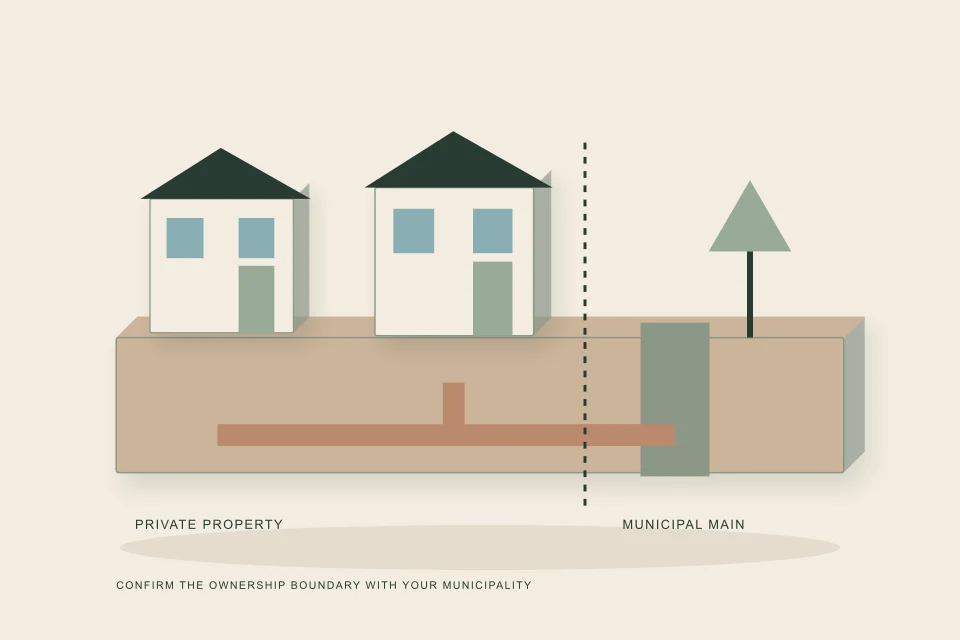
Regional rules change the picture: who owns the pipe past the property line, whether a city offers a backwater valve subsidy, and how much notice locate services need. Those are gathered, with the month each was checked, on the across Canada page. When you want someone to look at your situation, send the details and the desk will reply with next steps.
Every guide on SewerExperts.ca
Why does my sewer back up when it rains?
Why a sewer backs up in heavy rain: storm water and groundwater filling the sanitary main, weeping tile and downspouts, and how backwater valves help.
What to do when the sewer backs up
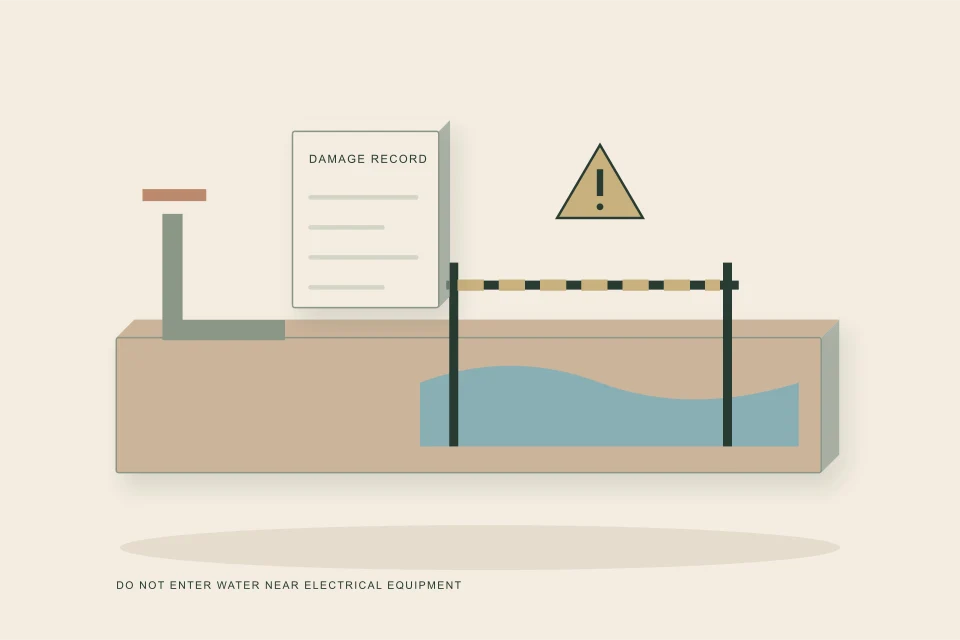
What to do when the sewer backs up into your basement: stop the water, stay safe, who to call first, what to photograph, and how to clean up safely.
Why does my sewer back up?
Why a sewer backs up into the basement: blockages in your own line, roots and sags, a full city main, laundry surges, and why backups keep coming back.
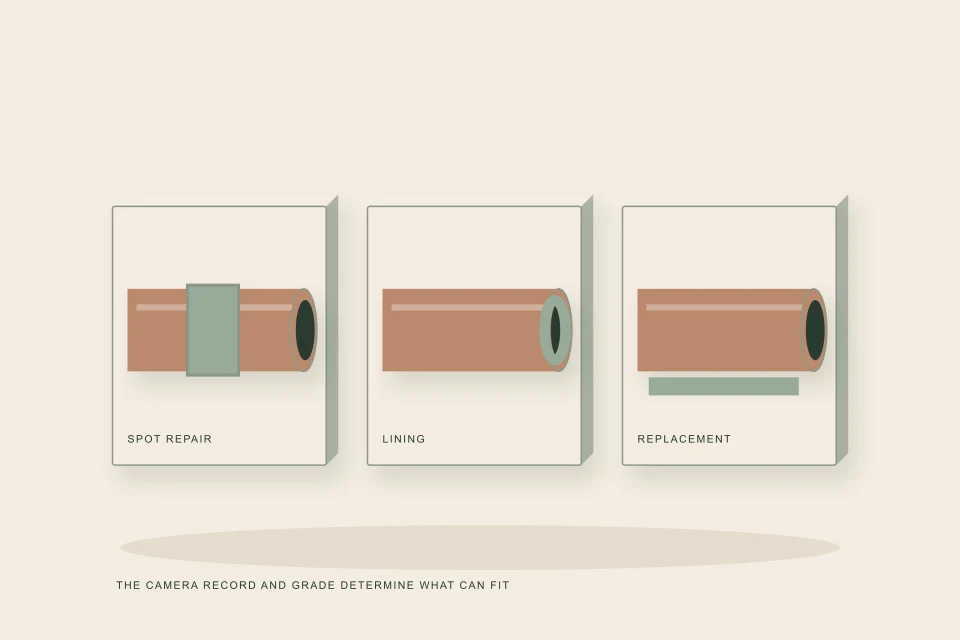
What are my sewer repair options?
Sewer repair options in plain answers: clearing, spot repair, sectional liner, full lining, pipe bursting and open-cut replacement, matched to the defect.
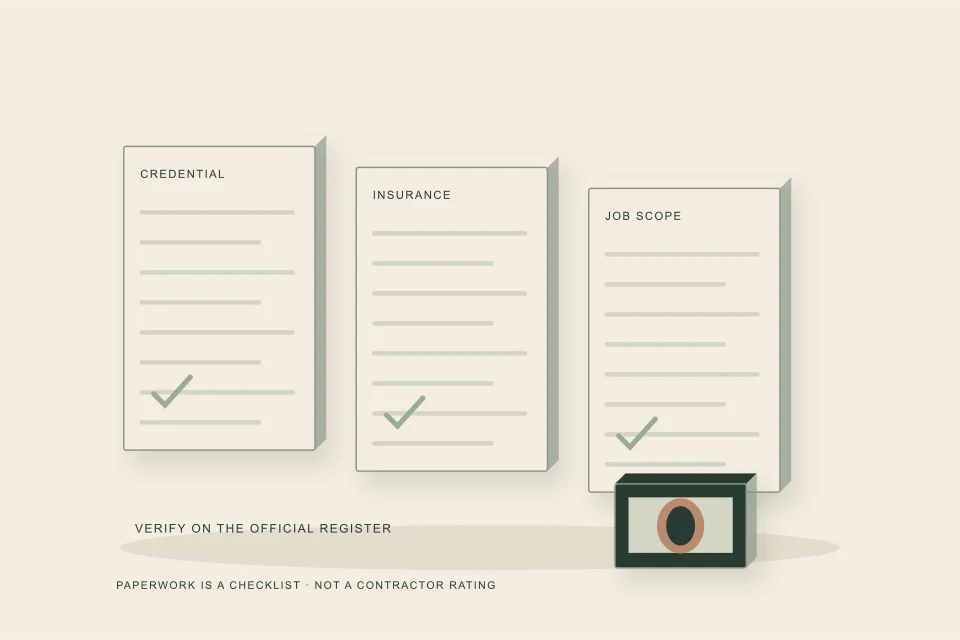
How do I vet a sewer contractor?
How to vet a sewer contractor in Canada: trade certificates by province, insurance, workers' comp clearance, permits, written scope, video and red flags.
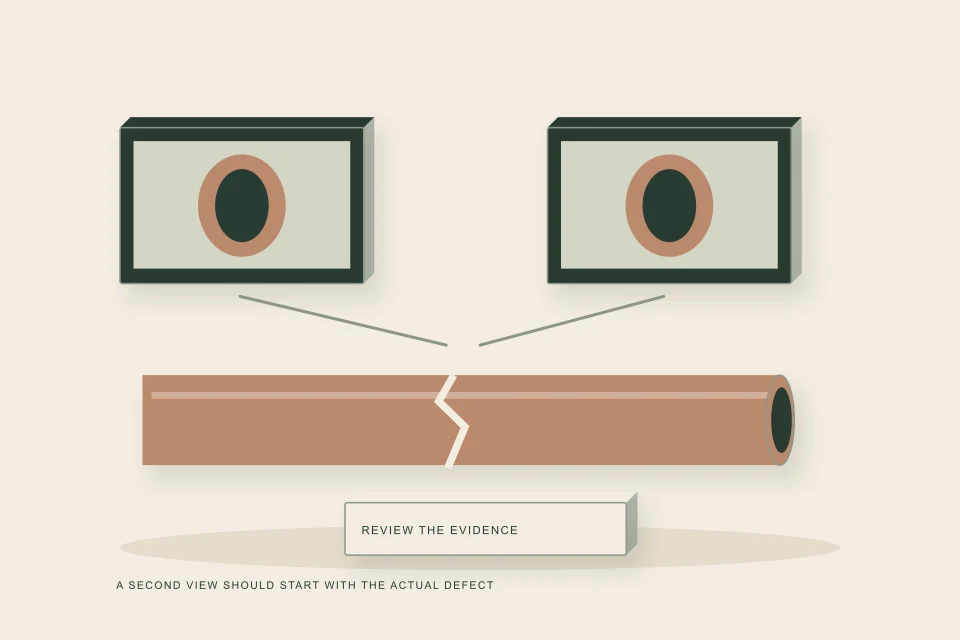
Should I get a second opinion on a sewer diagnosis or quote?
When a sewer second opinion is worth it, what to send a reviewer, how to read the camera video yourself, and the questions that test a diagnosis or quote.
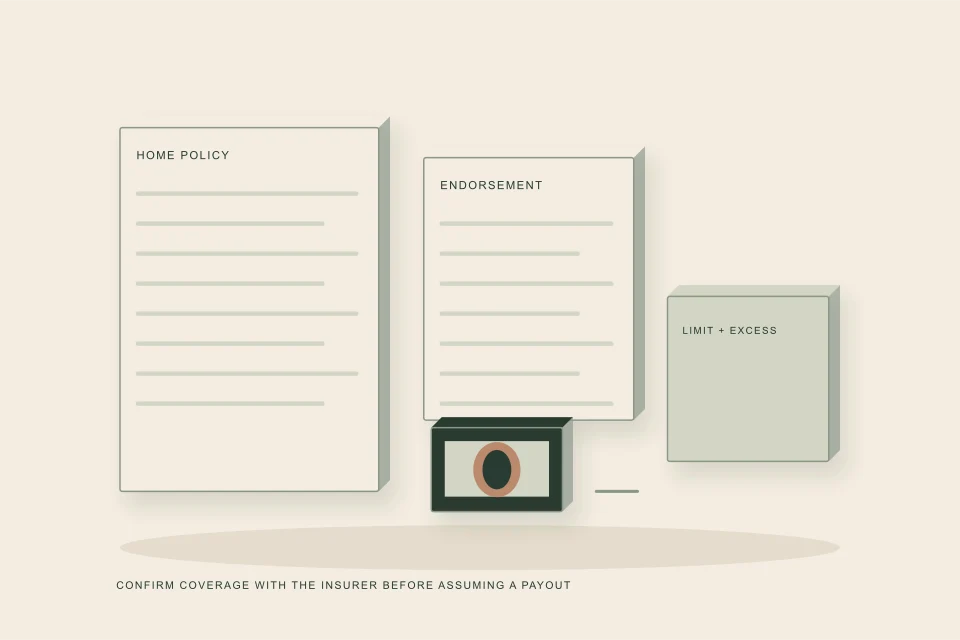
Does insurance cover a sewer backup?
Does home insurance cover sewer backup in Canada? Optional coverage, overland water vs backup, limits, deductibles, condos, tenants and the pipe itself.
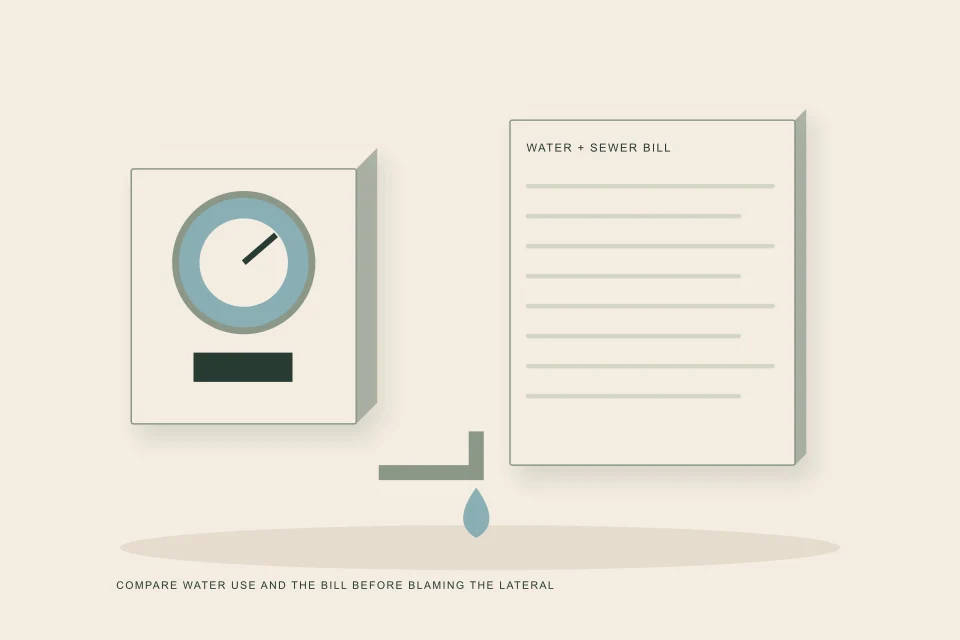
Why is my sewer bill so high?
Why a sewer bill is high, or higher than water: wastewater billed on metered water, fixed and stormwater charges, leaks, rate changes and estimated reads.
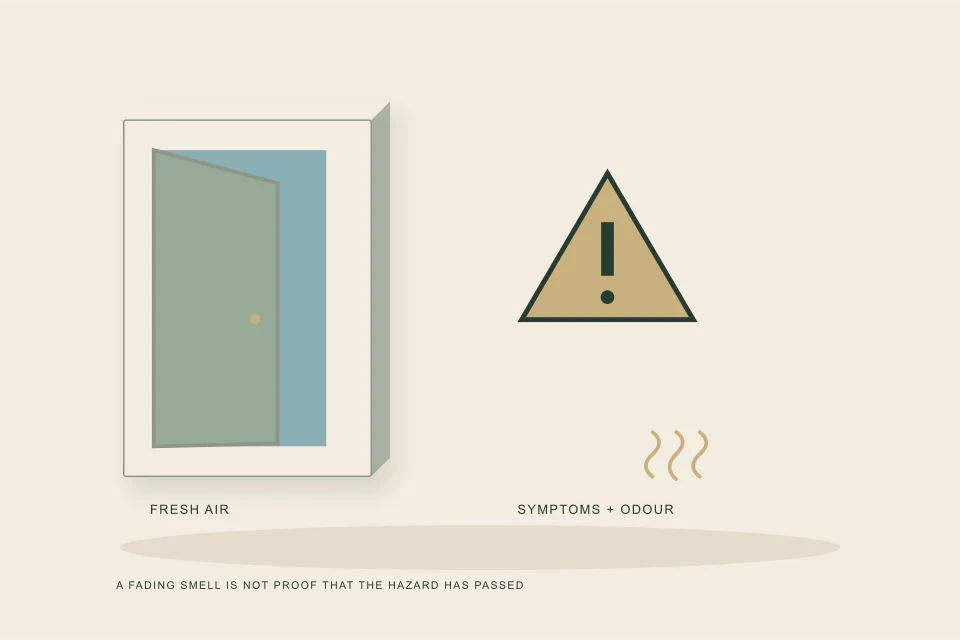
Is sewer gas dangerous?
Is sewer gas dangerous in a house? What is in it, what a sewer smell can do to you, the symptoms that mean leave, and why pits and manholes are worse.
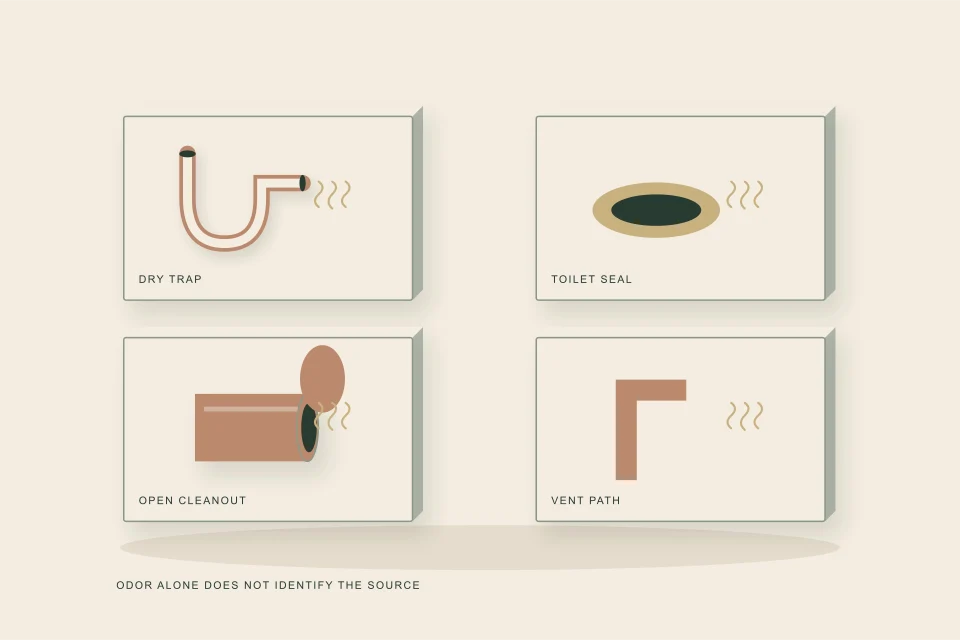
Why does my house smell like sewer?
Why a house smells like sewer, room by room: dry traps, toilet wax rings, vents, cleanout caps and sump lids, plus how to find a smell that keeps coming back.
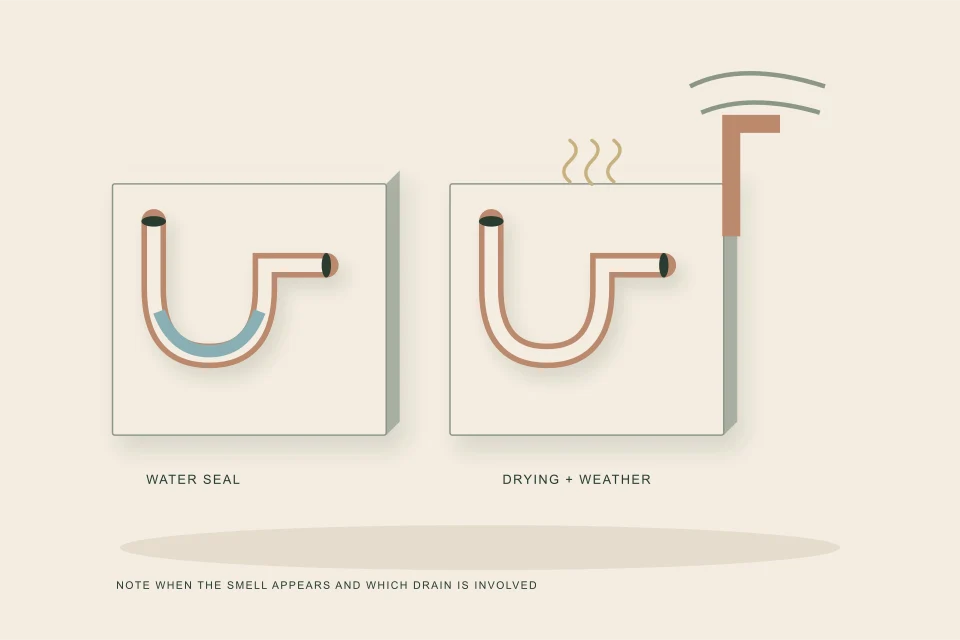
Why does a sewer smell come and go?
Why a sewer smell comes and goes: rain, wind and still nights at the roof vent, exhaust fans pulling on traps, hot days, laundry surges and yard leaks.
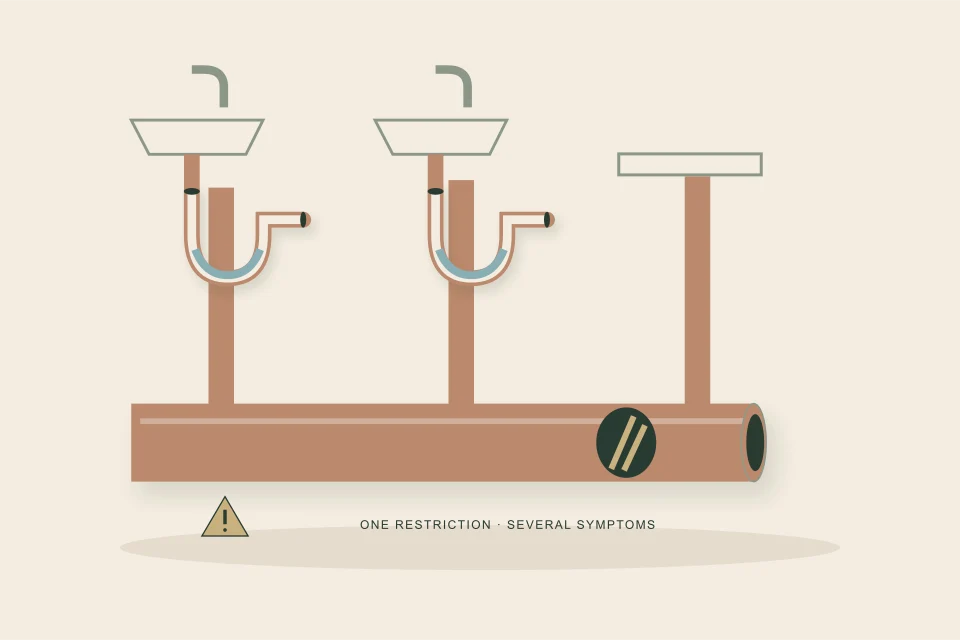
How do I know if my main sewer line is clogged?
How to tell a clogged main sewer line from one slow drain: which fixtures fail first, simple water tests, water in the cleanout, and what clearing costs.
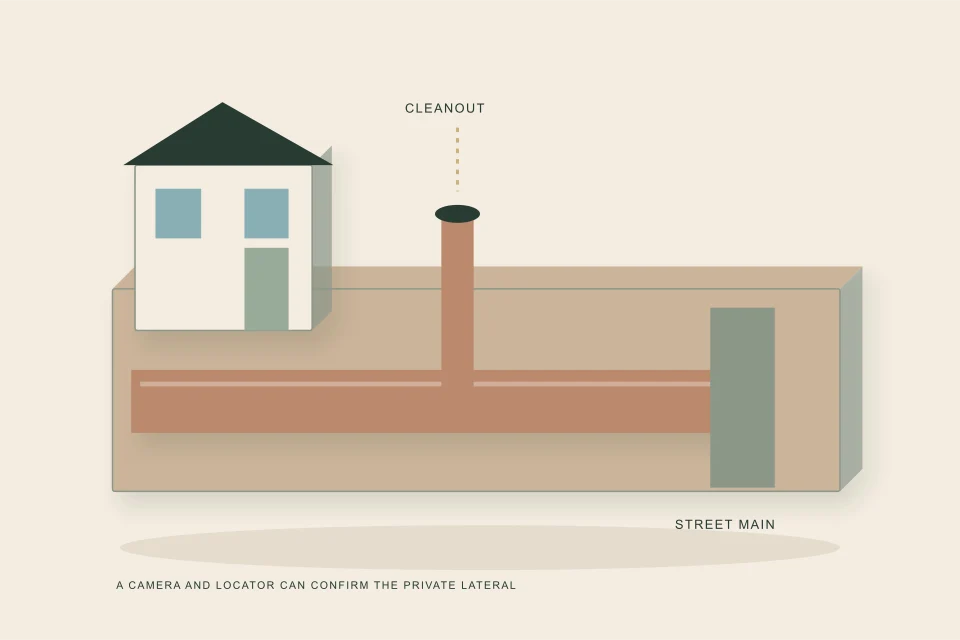
Where is my sewer line, and where is the cleanout?
Where your sewer cleanout usually is, how to trace the sewer line from house to main, who marks it and who does not, and who owns each part in Canada.
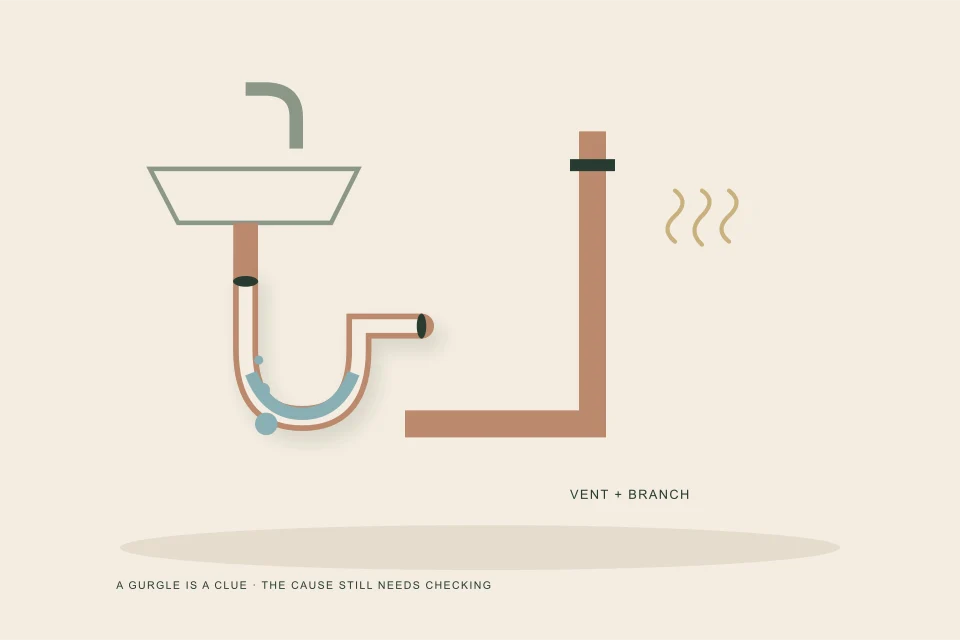
Why is my drain gurgling?
Why drains gurgle: air pushed or pulled through trap water by a partial clog or a blocked vent. Toilet, floor drain, kitchen sink and frozen vent answers.
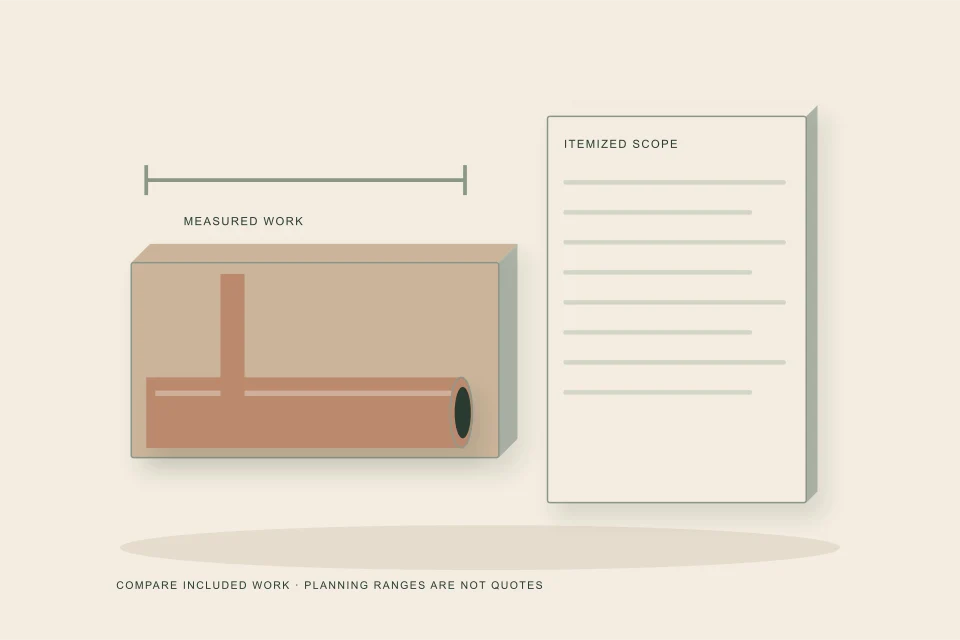
How much do sewer problems cost to fix?
Sewer repair costs in Canada, answered one question at a time: clearing, camera inspections, spot repairs, liners, replacement, valves and cleanup (2026 CAD).

Sewer Contractor Vetting Checklist
Vet a sewer contractor before you sign: pick your province and job, tick what you have, and get missing checks as questions, red flags and where to verify.
Sewer Symptom Triage
Sewer symptom triage for Canadian homes: pick the symptom, where and when it happens, and get the urgency, the likely fault zone, causes and who to call.
Sewer answers across Canada
Sewer rules across Canada, checked September 2026: who owns the line in major cities, backup contacts, backwater valve programs, locates and trade rules.
Frequently asked
Who answers the questions on SewerExperts.ca?
The HAUSE Sewer editorial desk writes the pages from public sources and cites them. HAUSE is an information and quote-request network, not a contractor, and it does not sell any repair method.
Can I ask a sewer question that is not answered here?
Yes. Use the quote page to describe what you are seeing, where and when. The desk replies with next steps and, if you want, can connect you with a contractor.
Should I call the city or a plumber first when a drain backs up?
If neighbours are affected or it happens in heavy rain, call your municipality first. Otherwise the blockage is most often in your own line, so a drain-cleaning contractor is usually the first call.
Is a sewer smell always a broken pipe?
No. Most household sewer smells come from a trap that has lost its water, a toilet seal, a loose cap or a vent problem. A broken pipe is further down the list.
Do I need a camera inspection for every clog?
Not for a single slow fixture. Ask for one when the main line is involved, when backups repeat, or before anyone prices a repair.
Are the costs on this site real quotes?
No. They are 2026 planning ranges in Canadian dollars that agree with the HAUSE network cost pages. Your own written quote is the only real price.
Describe the problem once. Get a straight answer.
Send the symptoms and anything you already know — age of the house, what a camera found, what you have been quoted. The HAUSE Sewer desk replies with next steps and, where available, a local contractor for the job.
Sewage backing up right now? Stop using water, keep people away from the water, and do not touch electrical equipment near it.